


Explaining the Basic Principles of Pneumatic Systems
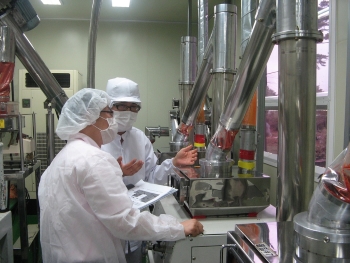
The basics of fluid power systems
Fluid power is a way to move big stuff, move it fast, and do it in a really small package. Fluid power uses a gas or liquid under pressure to force a piston or shaft to do work.
Pneumatic, hydraulic, and fluid power systems operate through the interplay of competing forces. Fluid power means transmitting power, converting it to a usable form, and transferring it to where it's needed. Fluid power systems use liquids (hydraulic systems) and gases (pneumatic systems) to transmit power. We manufacture precision hydraulic and pneumatic components and have been a proud partner to numerous companies in the fluid power industry.
Why choose fluid power systems over electrical or mechanical systems?
Fluid power produces linear motion using pneumatic or hydraulic cylinders rather than electrical or mechanical methods. You don't need electrical power for fluid power systems, eliminating the risk of shocks, fire, sparks, or even explosions. They do not use electricity to operate, meaning a large and expensive explosion-proof case is unnecessary.
Pneumatic systems will stall when broken, rather than possibly explode like electrical motors. Medical facilities, like food manufacturers, use pneumatics rather than hydraulics because they are much safer and cause almost no contamination if they fail.
Pneumatics are also favored for their heat resistance; electric motors are prone to overheating. However, pneumatic systems do not produce nearly as much heat as gas because the compressed air constantly carries heat away.
Understanding the difference between pneumatic and hydraulic systems
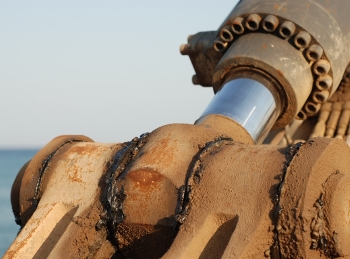
The important principles of pneumatics are essentially the same as those of hydraulic systems, but there are several distinctions to remember.
- Pneumatics utilizes gas instead of liquid to transfer power
- Because gas can be compressed, there is a delay in movement in pneumatic systems
- Pneumatics generate higher energy costs due to energy lost from heat production during compression
- Hydraulics handles a greater force than pneumatics
Air is pumped into a receiver and compressed, ready for use by the pneumatic system as needed. The air taken from the area around the compressor is filled with contaminants such as dirt, dust, and water vapor. To combat this, strong filters are installed to keep the air clean and dry.
Advantages of pneumatics over hydraulics
The use of gas offers pneumatics several advantages over hydraulics.
- Pneumatics are more often used in food applications than hydraulics because they pose less risk of contamination, whereas hydraulics are used in industrial equipment for their power and control.
- Pneumatic systems are common in medical facilities due to their range of sizes; they are installed where large equipment cannot fit.
- Lower pressures in pneumatic systems make them more suitable for components made of lighter, thinner materials such as plastics and aluminum. Hydraulic systems work better for steel or ductile/gray cast iron parts.
- Positioning accuracy rivaling that of electromechanical applications can be achieved in pneumatics with electronic controls. As a result, chemical plants favor pneumatic systems for their precision over hydraulics and electromechanical systems. Fluid power systems combined with electronics add incredible control and flexibility to pneumatics.
Using pneumatic technology has led to unprecedented advances in medical and industrial technology.
Applications of pneumatic systems
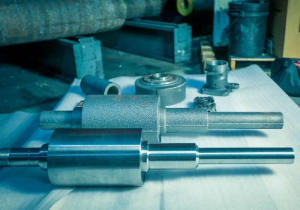
Factory automation is the most common sector for pneumatic operations. Most packaging and manufacturing processes require precise, repetitive motion, and pneumatic systems are ideal for those applications. However, pneumatics are capable of much more than fast, repetitive motion. The gas used in these systems provides a cushioning effect. Because of this, manufacturers have also implemented pneumatics into squeezing and pressing functions.
Additionally, because pneumatic systems operate at lower pressure than hydraulics, they can be built with lighter, cheaper materials, making them an absolute favorite among industrial companies.
Common examples of pneumatic systems
- Air brake systems
- Pipe organs
- Handheld jackhammer
- Pneumatic mail tube systems
- Conveying systems
- Waste collection
- Office chairs with adjustable height
- Pneumatic bladders
- Medical tools
This is a tiny list. Pneumatics are used in almost every industry, from food and medicine to theme parks, aircraft, farm equipment, and more. Pneumatic systems are present everywhere. There is always an incentive to make more out of less, and that's just what pneumatic power offers: more power in less space.
Continuous cast iron components promote efficiency and longevity
Fluid power systems utilizing continuous-cast iron from AIA/Lawton Standard experience minimal energy loss and maximize work efficiency. The highly durable cast iron components promote energy retention and maximum efficiency.
We provide unrivaled precision CNC machining services to create custom-cast components built to your exact specifications. Continuous cast iron offers tremendous performance at tremendous prices, perfect for many different applications in pneumatic systems.