Why Choose AIABar Continuous Cast Iron?
Lower Cost. Better Performance.
AIABar continuous cast iron offers better metallurgical properties than traditional sand castings in many industrial applications. It can also provide a more economical alternative to aluminum, brass, bronze and numerous carbon or alloy steel grades.
Microscopic graphite flakes or spheres create small recesses within the material capable of retaining oil. Lubricated components remain oily longer, while dispersed graphite provides natural self-lubricating characteristics during periods of reduced lubrication. The non-abrasive properties give AIABar tubes, rounds, bars and rods excellent wear resistance. Our continuous cast iron supply program includes raw stock, processed material and custom-fabricated components for manufacturers seeking dependable material performance and lower production costs.
Choose AIABar for:
Choose AIABar for decreased material costs, improved machinability, consistent metallurgy and easier sourcing of continuous cast iron stock. Our flexible supply programs help manufacturers maintain access to gray cast iron, ductile iron and custom-machined components while reducing material waste and purchasing inefficiencies.
Lawton AIABar serves manufacturers throughout Wisconsin and across the United States with dependable continuous cast iron supply programs built around recurring production needs. Contact us to discuss stock requirements, custom processing or long-term material supply.
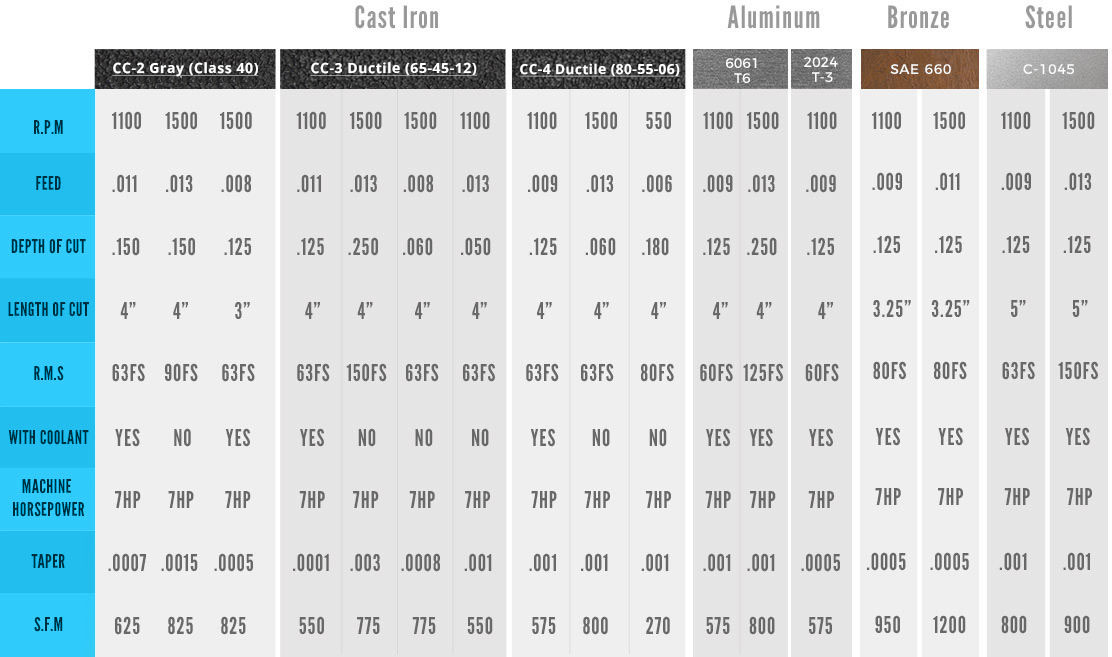
Field Test Comparison Chart
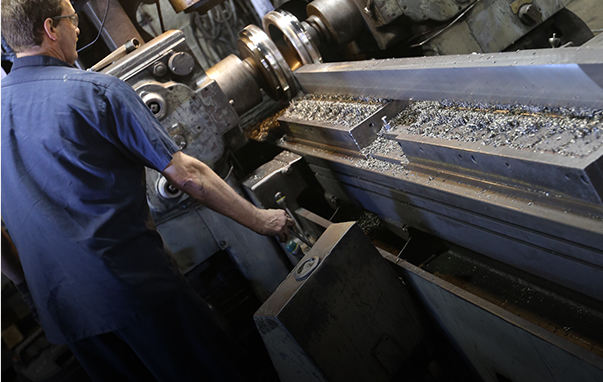
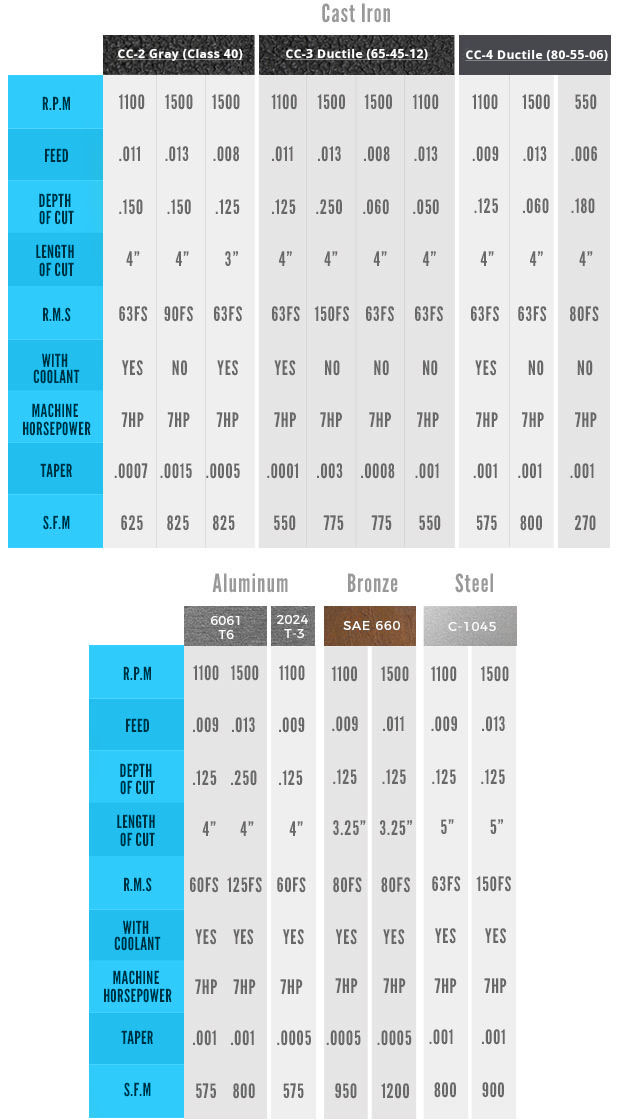
The chart below compares speeds and feeds for aluminum, bronze and steel with comparable machining rates for continuous cast iron. During testing, the operator used normal production rates on a seven-horsepower lathe producing hydraulic cylinder pistons. A Valenite VC 67 Carbide Insert served as the cutting tool.
Operators tested the optimal surface feet per minute, or SFM, for continuous cast iron while maintaining comparable depth of cut and surface roughness. All three tested grades of continuous cast iron exceeded conventional machinist handbook expectations for cast iron surface finish.
Gray and Ductile Iron Differences
Gray cast iron and ductile iron share many characteristics, but their graphite structures create important differences in strength, wear performance and machinability. Continuous cast gray iron performs particularly well in straight-wear hydraulic applications because of its vibration damping, thermal conductivity and natural lubricity. These properties make gray iron well suited for bearings, bushings and other wear components.
Continuous cast ductile iron offers greater tensile strength, impact resistance and flexibility. Manufacturers frequently use ductile iron for pistons, moving components and machinery parts exposed to greater mechanical loads.
The Basics of Hydraulic and Pneumatic Systems
Continuous cast iron is a proven material for hydraulic and pneumatic systems because of its wear resistance, heat dissipation and self-lubricating properties. These characteristics make AIABar gray and ductile iron useful for pistons, gland components, bearings, bushings and other fluid power parts. Efficient material selection can reduce friction, machining costs and premature component wear while supporting reliable hydraulic and pneumatic system performance.
Sand Casting vs. Continuous Casting
Sand casting remains a common manufacturing process for both ferrous and non-ferrous metals. However, sand-cast components can have rougher surfaces, greater dimensional variation and more internal inconsistencies compared with continuous cast iron stock.
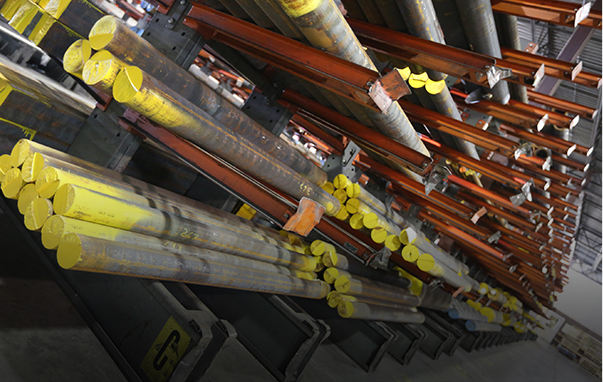
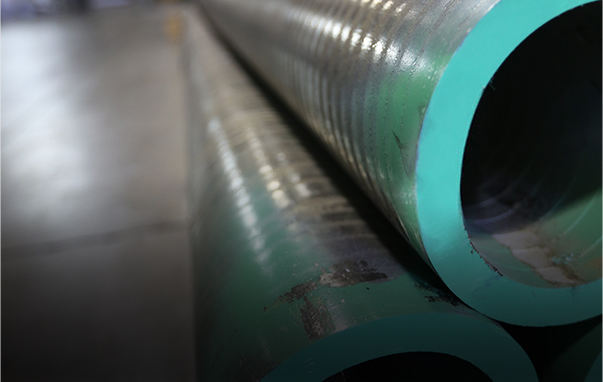
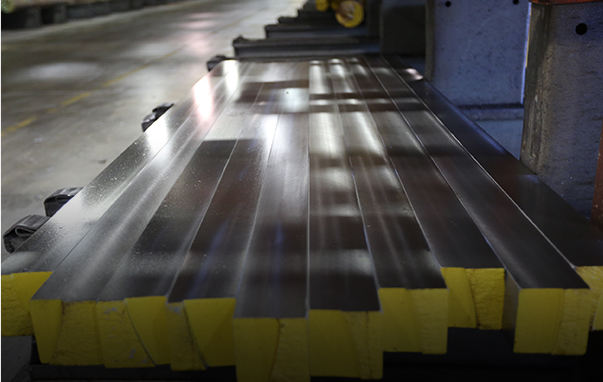
Continuous casting, also called strand casting, produces material through a controlled, uninterrupted solidification process. The resulting stock offers consistent structure and can be produced in multiple profiles, including rounds, tubes, square bars, rectangular bars and other shapes. For manufacturers machining high volumes of repeat parts, continuous cast iron can reduce machining time, material waste and overall production costs.
A Truly Flexible Continuous Cast Iron Supply Program
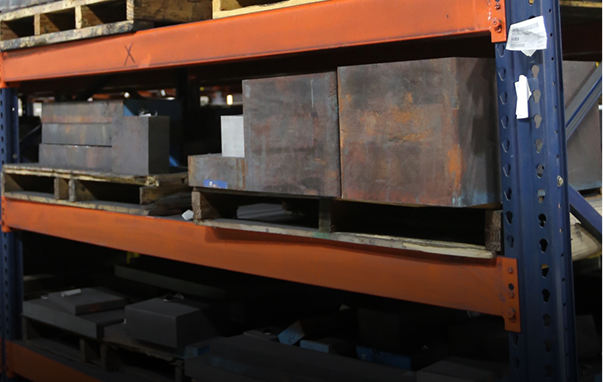
Lawton AIABar offers customizable continuous cast iron supply programs for manufacturers with recurring material needs. Customers can order cast iron stock in raw, processed or fully machined form based on production requirements. Our team can also help coordinate stocking, processing and delivery programs designed to reduce waste, control costs and keep required material available. Whether you need recurring shipments of gray cast iron, ductile iron or finished CNC-machined components, we can build a supply program around your specifications.
Industries Relying on AIABar Cast Iron
Our precision CNC machining capabilities allow us to transform continuous cast iron stock into production-ready metal components built to customer specifications. We can work from an existing print, assist with prototype production and scale into recurring manufacturing volumes. Industries using AIABar continuous cast iron include:
Manufacturers rely on AIABar for continuous cast iron stock, precision CNC machining and dependable material supply. We serve customers throughout Arkansas, Wisconsin, North Carolina, South Carolina, Missouri, Arizona, California, Texas, Illinois, Oklahoma, Florida, Louisiana, Minnesota, Indiana, Iowa, New York and Michigan, including major Wisconsin manufacturing markets such as Milwaukee, Madison and Green Bay.
Whether you need gray cast iron, ductile iron, raw stock or custom-machined components, Lawton AIABar can provide a continuous cast iron supply program built around your production requirements.
Contact Lawton AIABar for continuous cast iron supply, custom machining and a free quote.